


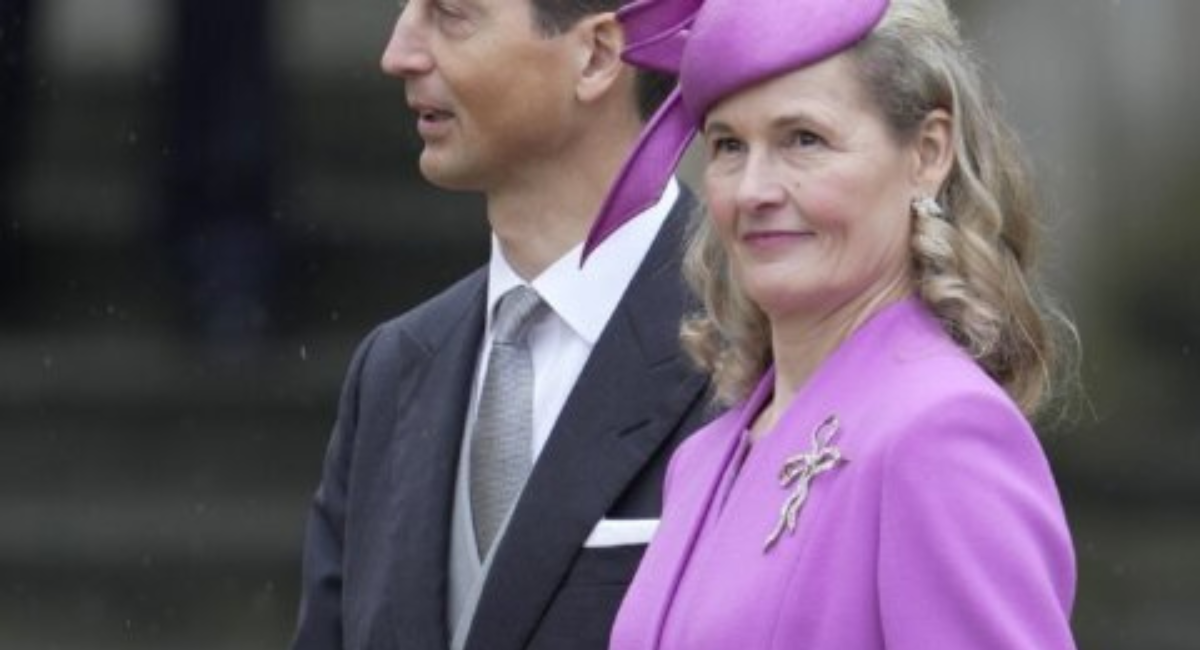
Liechtenstein has made a historic change to its royal succession rules, allowing women to inherit the throne for the first time under the modern system governing the Alpine principality. Hereditary Prince Alois announced the change during Liechtenstein’s National Day celebrations on 15 August, confirming that the Princely House has moved from male-only primogeniture to absolute primogeniture, meaning the first-born child can inherit regardless of sex. The amendment was approved by a two-thirds majority of eligible members of the Princely Family.
What has changed in Liechtenstein’s succession rules?
The key change is that succession to the Liechtenstein throne will no longer be restricted to male descendants. Under the new system of absolute primogeniture, birth order rather than gender will determine which eligible child has the stronger claim to inherit.
The reform represents a significant departure from a centuries-old dynastic tradition. Previously, the succession rules followed male primogeniture, meaning male descendants took precedence and women were excluded from inheriting the throne. The existing family law had explicitly maintained the male line as the basis for succession.
According to the announcement reported on National Day, the amendment was approved by the required two-thirds majority of eligible members of the Princely Family. It applies to future descendants of Hereditary Prince Alois and Hereditary Princess Sophie rather than retrospectively changing the current succession order.
Does the change immediately put a woman in line to become princess?
No. The reform does not immediately alter the existing succession order. Hereditary Prince Alois remains the heir to his father, Prince Hans-Adam II, while their eldest son, Prince Joseph Wenzel, remains ahead of his siblings in the current line of succession.
Alois and Sophie have four children: Prince Joseph Wenzel, Princess Marie Caroline, Prince Georg and Prince Nikolaus. Under the previous rules, Princess Marie Caroline could not inherit the throne because she is a woman. The new arrangement instead establishes a framework under which future generations will be treated equally according to birth order.
The practical effect is therefore more significant for future descendants than for the immediate royal succession. If an eligible future first-born child is a girl, she could now inherit the throne ahead of younger brothers.
Why is the reform significant for Liechtenstein?
The decision marks an important constitutional and dynastic shift in one of Europe’s smallest monarchies. Liechtenstein has historically maintained unusually strong powers for its reigning prince, making the identity and succession of the head of state particularly significant.
The principality is a constitutional hereditary monarchy. Prince Hans-Adam II remains the reigning head of state, although he transferred the exercise of most sovereign responsibilities to Hereditary Prince Alois in 2004. Alois has since carried out the duties of head of state as his father’s representative.
The succession reform therefore concerns more than ceremonial tradition. The position of prince carries meaningful constitutional authority, including powers associated with legislation, government and the state institutions.
For that reason, changing who can inherit the office represents a notable development in Liechtenstein’s political and constitutional history.
How long have women been excluded from the Liechtenstein throne?
Women have been excluded from succession under the modern princely house rules for generations. The tradition is rooted in the dynastic arrangements of the House of Liechtenstein, with male-line succession forming an important part of its historic family law.
The princely family’s succession arrangements date back centuries. The family covenant of 1606 established principles of dynastic succession, while later house laws continued to regulate inheritance and succession within the Princely Family.
The exclusion of women has also attracted international scrutiny. United Nations committees previously questioned whether Liechtenstein’s succession arrangements were compatible with international principles concerning gender equality. The princely family historically maintained that succession was a private dynastic matter governed by its house laws.
The 2026 decision consequently represents a reversal of a long-established practice rather than a minor administrative adjustment.
How does the change fit into Liechtenstein’s wider progress on women’s rights?
The succession reform comes after several major developments in women’s political participation in Liechtenstein.
Women gained the right to vote at national level only in 1984, making Liechtenstein the last country in Europe to introduce women’s suffrage. The change came through a referendum after women had previously been excluded from national elections.
More than four decades later, Brigitte Haas became the country’s first female prime minister. She was sworn into office on 10 April 2025 after her Patriotic Union won 10 of the 25 seats in the Landtag and formed a coalition government with the Progressive Citizens’ Party.
The 2025 parliamentary election also produced a record eight female MPs, representing 32% of the 25-member parliament.
Against that background, allowing women to inherit the throne represents another important step in the gradual removal of formal gender distinctions from Liechtenstein’s public institutions.
What does the reform mean for Prince Alois’s family?
For the immediate family of Hereditary Prince Alois, the change does not displace his eldest son, Prince Joseph Wenzel, from his current position. Instead, it establishes a different rule for future generations.
That distinction is important because the new system is not designed to reorder the existing succession. The first-born descendants of future generations will instead inherit according to their position in the family, irrespective of whether they are boys or girls.
Princess Marie Caroline, Alois and Sophie’s second child, was previously excluded from succession because of her sex. The reform demonstrates how the rules could operate differently for descendants born under the new system.
The change could therefore become particularly consequential if future branches of the family produce daughters who are older than their brothers.
Could the change affect Liechtenstein’s monarchy more broadly?
The reform could strengthen the monarchy’s alignment with contemporary European principles of gender equality while preserving the hereditary character of the institution.
Liechtenstein remains distinctive among European monarchies because its prince retains substantial constitutional powers. The succession change does not remove those powers or transform the country into a different form of government. Instead, it changes the dynastic criteria determining who can eventually exercise the role of head of state.
The decision may also carry symbolic significance beyond the immediate succession. Liechtenstein has undergone considerable social and political change since women received voting rights in 1984, and the appointment of its first female prime minister in 2025 demonstrated that women can now occupy the highest elected government office.
The succession reform brings the hereditary institution closer to that changing political reality.
What happens next for Liechtenstein’s royal succession?
The immediate succession is expected to remain unchanged, with Prince Hans-Adam II as reigning prince, Hereditary Prince Alois as his successor and Prince Joseph Wenzel continuing as the next generation’s heir under the existing order. The new rules will primarily determine succession among future descendants.
The longer-term importance of the decision will become clearer as the next generation of the Princely Family grows and succession arrangements are applied in practice.
For now, the announcement represents a historic break with Liechtenstein’s male-only succession tradition. It also places the principality among European hereditary states where birth order, rather than gender, determines succession. Readers should continue to monitor how the Princely House formally implements the revised rules and how the change shapes the monarchy in future generations.
